
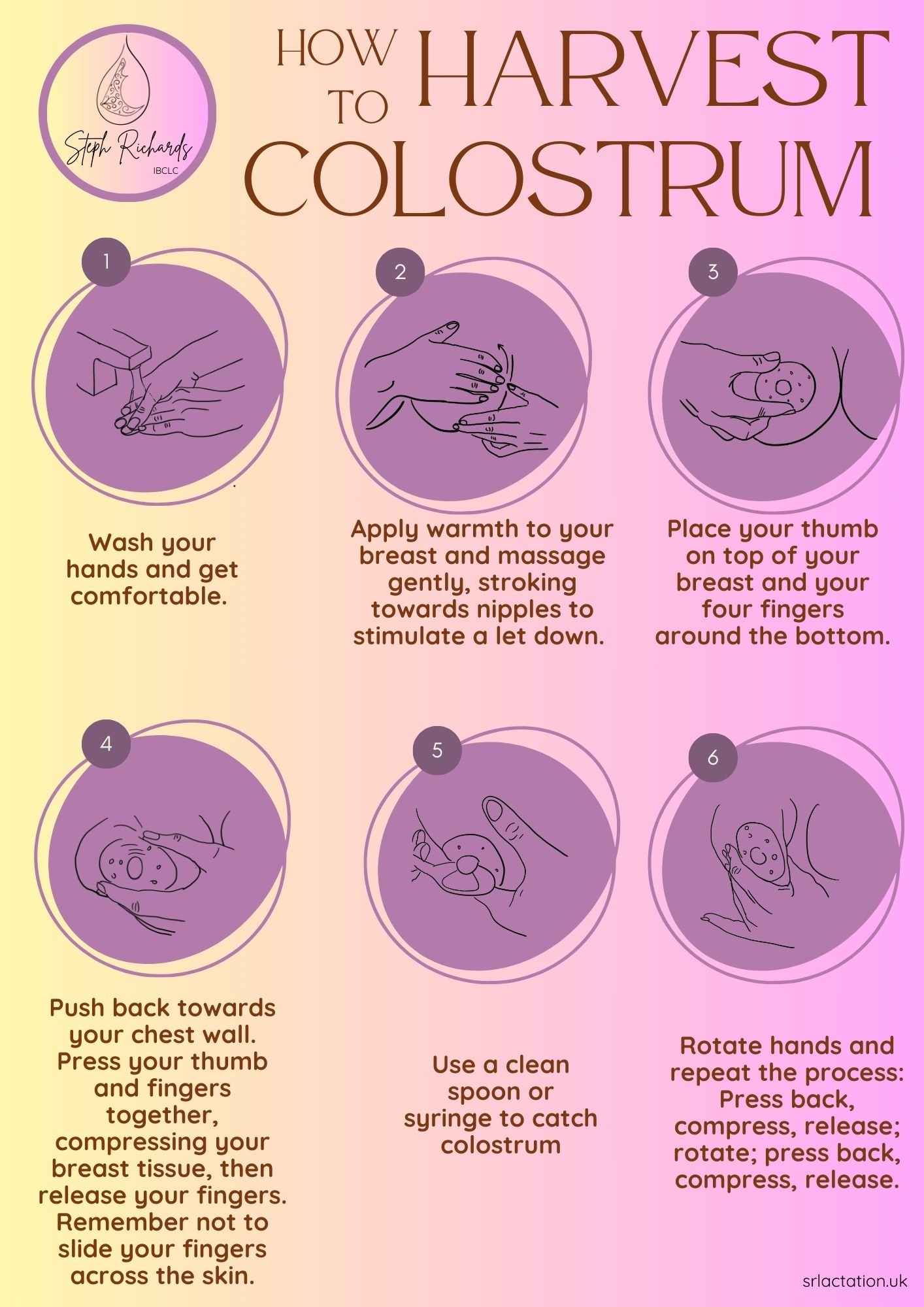
As you approach the final weeks of your pregnancy (around week 36, although individual circumstances may vary, so do check with your antenatal team), you might be encouraged to start harvesting or expressing colostrum and storing it for when your baby arrives.
What is Colostrum?
Colostrum, often called baby’s first milk, kicks into production by the second trimester. This thick, sticky, and easily digestible liquid is a nutritional powerhouse, brimming with antibodies and energy. It delivers all the essential nutrients your new-born needs in those crucial early days. Plus, it jumpstarts your baby’s gut microbiome and serves as a mini-shield against bacteria and viruses.
Why Harvest Colostrum?
Practice makes perfect – Hand-expressing colostrum is the way to go, and it’s a nifty skill to pick up for your breastfeeding adventure.
Just in case – Birth and breastfeeding can be full of surprises. Stockpiling colostrum gives you a backup plan to dodge formula if that’s your aim.
Low blood sugars – Colostrum is like magic for balancing your baby’s blood sugar levels right after birth
Milk-making Concerns? – Some moms or nursing parents might need to give their little ones a boost from the get-go if there are concerns about milk supply potential. This can happen with conditions like Insufficient Glandular Tissue (IGT) or a history of breast surgeries.
Harvesting Tips
Ditch the pump! Those tiny droplets can get stuck in the pump parts, and we don’t want to waste a single drop. Hand expression ensures every precious bit gets collected without any waste.
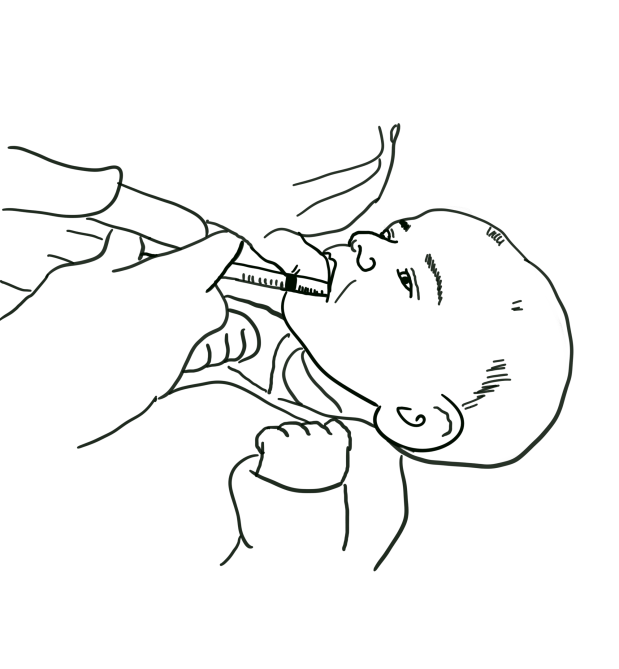
Harvest up to three times a day into the same trusty, clean syringe. Some parents like to pull out the plunger and express straight into the back of the syringe, while others prefer to gather the colostrum on a clean spoon and then slurp it up with the syringe. Whatever works for you! Pop the syringe in the fridge between sessions to make the most of every collection. Feeling comfy and relaxed is key to getting that liquid gold flowing, and expressing after a warm bath or shower can really do the trick.
Collection and storage:
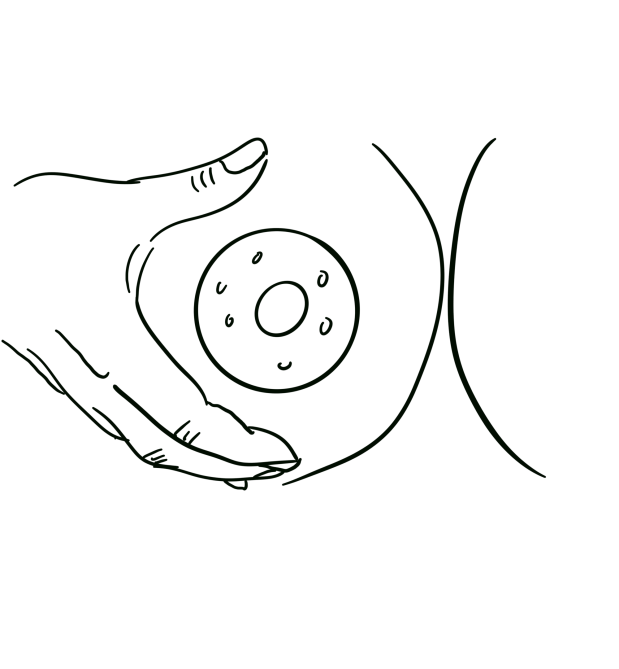
At first, you might only see a glisten or a few tiny drops of colostrum. It can take some practice to get the hang of it. Collect that liquid gold on a clean spoon or in a small, clean container, then draw it up into a needleless 1ml-3ml syringe. If you’re feeling adventurous, you can try syringing the colostrum straight from your nipple, though it might take a few tries to master.
Go easy on yourself and be gentle, as breast and nipple tissue can be super sensitive during pregnancy. No aggressive squeezing or finger-sliding!
Colostrum comes in a rainbow of colours, from white to orange, and its thickness can vary from day to day.
When storing your colostrum, don’t forget to add your name and the date of expression, especially if you’re planning a hospital trip. Transport your stash in an insulated bag with ice packs and defrost it under warm running water. Check if your hospital has facilities to store colostrum, and make sure to share your feeding plans.
Harvesting colostrum won’t mess with your milk supply before or after birth.
Nipple stimulation releases oxytocin, which gets the uterus contracting. If your healthcare provider says it’s safe to engage in sexual activities, it’s also safe to express colostrum. Always chat with your antenatal team about this.
Think of harvested colostrum as an insurance policy – if you don’t end up needing it, that’s a great!
Links and Resources:
srlactation@gmail.com
07405921480
©copyright2025 SRLactation
#MER #Breastfeeding #Latch #Sorenipples #painfullatch #support #breastfeedingsupport #IBCLC #Taunton #Somerset #Bridgwater #Wellington #Infant #Infantfeeding #Help #Antenatal #Postnatal #Boobs #Breasts #Humanmilk #Milk #Breastmilk #Letdown #Milkmaking #Chestfeeding #consultations #homevisits #lowsupply #oversupply #fastletdown #downsydrome #twins # triplets #baby #colostrum #harvestingcolostrum #enoughmilk

