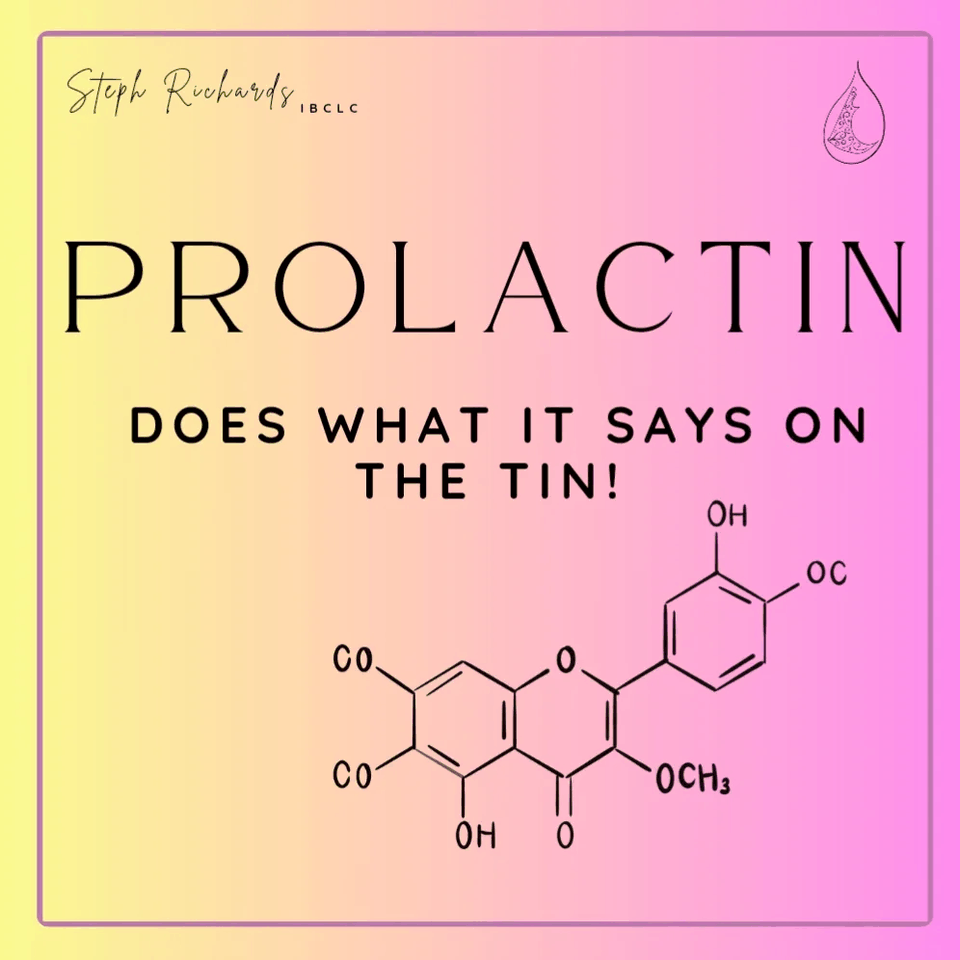
Let’s take a deep dive into the fascinating world of prolactin- also known as lactotropin or mammotropin – the unsung hero behind the second half of the milk-making magic!
This peptide hormone takes centre stage in the lactation process. During pregnancy, it plays a crucial role in preparing the mammary glands for the big show – milk production. But prolactin isn’t just a behind-the-scenes player; it steps up to the spotlight once the baby arrives, ensuring that the milk keeps flowing.
Produced by the anterior pituitary gland, located just beneath the hypothalamus, prolactin’s levels rise during pregnancy. However, it doesn’t act alone – progesterone keeps its power in check during these months. But when the placenta exits the stage after birth, progesterone takes a bow, and prolactin surges to the forefront, ready to kickstart milk production. For the first six weeks postpartum, prolactin levels remain high, gradually tapering off after that, although they still remain elevated in nursing mothers or anyone feeding a baby.
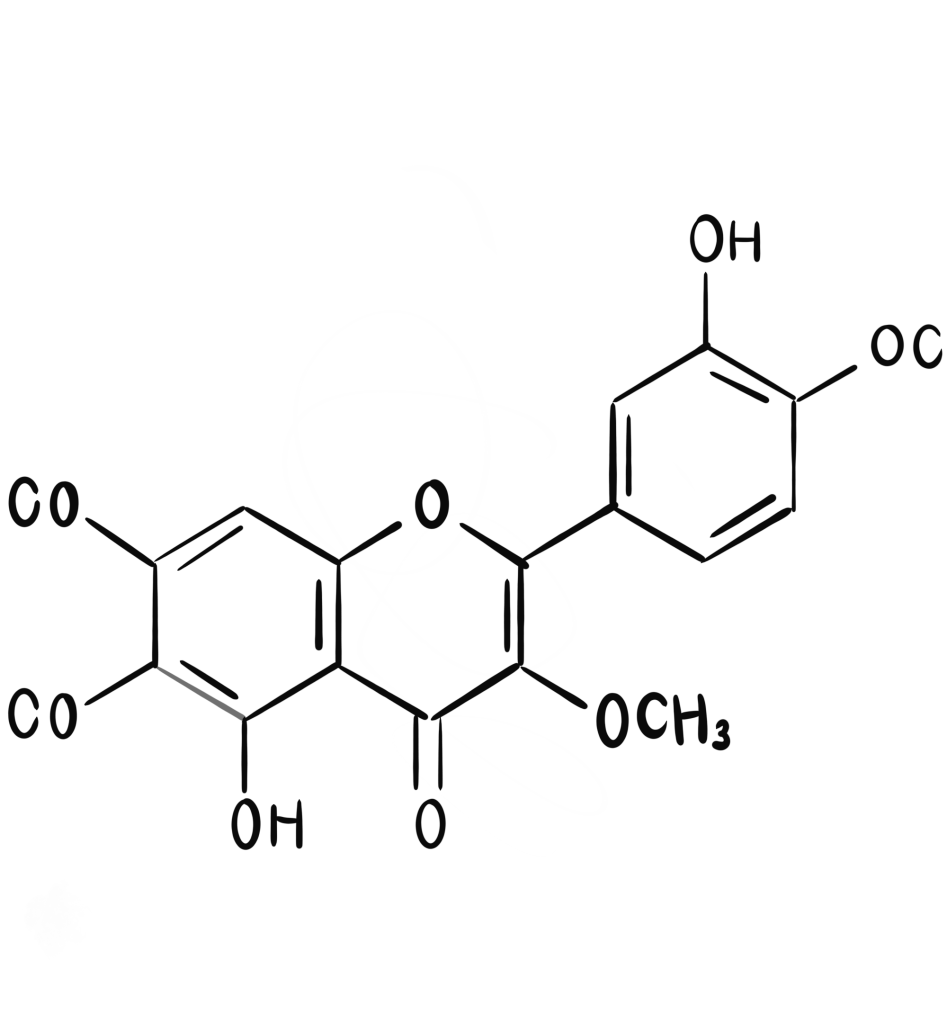
The real magic happens when the baby latches onto the breast. This action sets off a well-choreographed hormonal cascade: the hypothalamus halts dopamine production (prolactin’s natural inhibitor), allowing prolactin levels to rise rapidly. Prolactin then travels through the bloodstream, binds to receptors in the mammary glands, and signals the alveoli – the milk-producing cells – to get to work. While prolactin handles the milk-making, oxytocin, prolactin’s hormonal partner, takes care of milk release, helping the milk flow through the ducts to the nipple. Together, they form a dynamic duo that ensures the baby is fed!
One particularly fascinating aspect of prolactin is that its levels peak at night. This means that late-night nursing sessions aren’t just about soothing a hungry baby – they’re vital for establishing and maintaining a healthy milk supply. The body, in its wisdom, uses these night feedings to boost prolactin, ensuring that milk production stays steady.
In short, prolactin is the driving force behind the milk-making process, a hormone with impeccable timing, ready to ensure that the body can meet the demands of feeding a growing baby!
srlactation@gmail.com
07405921480
©copyright2025 SRLactation

#MER #Breastfeeding #Latch #Sorenipples #painfullatch #support # breastfeedingsupport #IBCLC #Taunton #Somerset #Bridgwater #Wellington #Infant #Infantfeeding #Help #Antenatal #Postnatal #Boobs #Breasts #Humanmilk #Milk #Breastmilk #Letdown #Milkmaking #Chestfeeding #consultations #homevisits # lowsupply #oversupply #fastletdown #downsydrome #twins #triplets #baby #Prolactin #hormones

